Organic Hiking Clothes
By Daved Brosche | Permalink |Organic Hiking Clothes – Are organic clothes the real deal?
Many a hiker considers themself a eco-friendly, nature lover. They recycle, cut six-pack rings, buy organic, and all that eco friendly jazz. That’s all fine and dandy, but did you ever stop to think about hiking clothes?
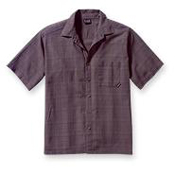
Petroleum based synthetics diminish fossil fuels. Certain chemicals in odor reducing garments can pollute water ways. Not to mention that most synthetic hiking clothes take forever to degrade once they make it to a landfill.
Outdoor clothing manufacturers are working on creating organic hiking clothes from a variety of natural resources. Some of these renewable resources include; Soy, bamboo, coconut, and corn. Most of these new organic hiking clothes are said to be just as good as their synthetic counter parts.
As with many things organic and green, there is still much to be learned. While these organic hiking clothes may be eco-friendly, they aren’t the most durable products. As manufacturing processes unfold, organic clothes are sure to become cheaper and more durable.
Comments
I agree. I think at this point in time, organic hiking clothes are more for marketing purposes. However, I think that once the manufacturing process becomes better, so will the end product.
The problem with cotton is that it stinks once you get sweaty and it holds in moisture.
My thoughts align with Tim. If hikers are truly concerned with energy conservation then it doesnt make sense to go out and buy these. Though, this doesnt irk me as much as weekend hikers sporting $400 in layers of petroleum-based synthetics from EMS/REI on a 4hr moderate climb when they could just pack an extra set of old cotton socks/tshirts in their daypack.
The most of improtant thing for hikers is “comfortable” I think. Althoughh you can get some clothes are eco-friendly, they must keep you comfort when you travel. And, the colthes must sell at resonable price.
I total agree Tim’s point, most of hikers are nature lovers. But we are consumers, too. We need to buy things to meet our needs.At this time, maybe you agree “green products” means higher price.
Fortunately, many companies try to create eco-friendly products more comfortable, futhermore at resonable price. I think market will full of “green clothes” in the near future.
Post your comment
If you have not commented here before, please take a moment to peruse ourCommenting Guidelines.
Travel with your Gear
- RTW Trip Planner
- Search Youth Hostels
- Cheap Air Tickets
- Travel Insurance Guide
- Travel Message Boards
- World Adventures
Popular Travel Gear
- Waterproof Digital Cameras
- Rolling Backpacks
- Altrec Coupon
- Reef Fanning Sandals
- Dog Backpacks
- Altrec Deals & Moosejaw Deals
- Subscribe to Travel Gear RSS Feed
Monthly Archives
BootsnAll Logues
TRAVEL THEMES
DESTINATIONS
SPORTS


It seems like items such as these are mostly made to make people feel better though. Really the most eco-friendly thing to do would be use cotton shirts and really wear them out rather than buying a new wardrobe every year just to go take a walk in the woods. And if these take more energy to make than a natural fiber one, how’s that good for the environment? Cotton and hemp are renewable resources too–it doesn’t have to be something exotic like bamboo.